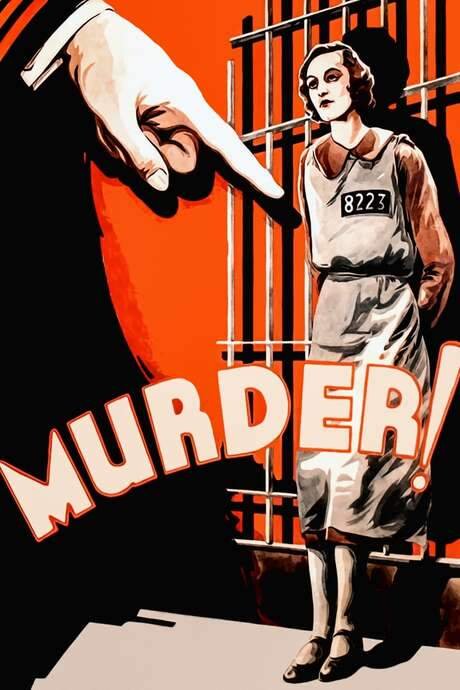
There’s a primal fascination in understanding the "why" behind humanity's darkest acts. When we delve into murder plot deconstruction and motives, we’re not just dissecting a fictional crime; we're exploring the very raw, often unsettling, landscape of the human psyche. What drives someone to cross the ultimate line? How do authors craft reasons compelling enough to make us believe in the monstrous, the tragic, or even the disturbingly logical? It's a journey far richer and more complex than a simple "who done it."
At a Glance: Peeling Back the Layers of Motive
- Motivation is the Heartbeat of Crime Fiction: Unlike real life, fictional murders demand credible, deep-seated motives to truly resonate.
- Beyond the Obvious: Effective stories move past superficial reasons to reveal complex psychological and societal drivers.
- Three Core Categories: Motives generally fall into Classic (revenge, greed), Psychological (trauma, mental health), and Societal (poverty, discrimination) buckets.
- Modern Nuance: Contemporary crime fiction, especially Nordic Noir, increasingly explores the intricate backgrounds and inner lives of perpetrators.
- Understanding ≠ Absolving: While motives explain actions, they never erase legal or moral responsibility; a choice always exists.
- The Power of 'Why': Our inherent curiosity about a perpetrator's reasoning is what makes these stories so captivating and enduring.
Why We're Obsessed: The Enduring Appeal of 'Why'
From the earliest myths to today's streaming series, stories of crime, especially murder, hold an undeniable grip on our collective imagination. But it's rarely the act itself that truly captivates us. It's the relentless quest to understand the reason. Why did they do it? What pushed them to that precipice? This relentless curiosity forms the bedrock of "Murder Plot Deconstruction & Motives," making it a field rich with psychological insight and narrative tension.
In the realm of crime fiction, motivation isn't a mere plot device; it's the very starting point, the driving force that propels the narrative forward. Without a credible and convincing motive, a story risks feeling purposeless, its characters acting on whims rather than deeply ingrained desires or dark necessities. A well-constructed motive doesn't just explain; it humanizes (in the broadest sense) the perpetrator, offering readers a glimpse into the fractured or twisted logic that led to the crime.
The Anatomy of a Murder Plot: More Than Just 'Who Done It'
You might think plotting a murder in a story simply means figuring out the killer and the victim. But any seasoned writer, or astute reader, knows it's far more profound. It's an intricate dance of human psychology, societal pressures, and moral dilemmas. The art of the murder plot lies in balancing psychological insight with escalating narrative tension, all while maintaining an artistic precision that keeps the reader hooked.
Unlike reality, where motives can sometimes be disturbingly simple, random, or even elusive, crime novels demand a robust foundation. Your characters can't just kill "because they felt like it" – at least, not without a compelling reason why they felt like it, or why that feeling became an irresistible impulse. A truly effective crime story doesn't just give you a superficial reason; it digs deeper, revealing the complex, often contradictory reasons that truly underpin a murderer's actions. This provides a nuanced, multi-layered portrayal of the driving forces behind the darkest human acts.
Deconstructing the Motive Matrix: Categories That Drive the Darkness
Understanding motives requires a framework. While every perpetrator is unique, their fundamental drives often fall into identifiable patterns. These categories provide authors with powerful tools to build believable characters and plots, and give readers a lens through which to analyze the intricate workings of a crime.
Classic Motives: The Primal Drivers of Malice
These are the timeless, almost archetypal reasons for murder, echoing through literature for centuries. They tap into fundamental human desires, fears, and failings.
- Revenge (The Retribution Narrative): Perhaps the oldest and most visceral motive. It’s the burning desire to make someone pay for a past wrong, real or perceived. Think of the elaborate, decades-long scheme in The Count of Monte Cristo, where Edmond Dantès meticulously orchestrates the downfall of those who wronged him. It’s a powerful engine, often fueling meticulously planned and intensely personal crimes.
- Economy (The Price of Greed): The pursuit of wealth, inheritance, or material gain. This motive can drive cold, calculating plots, where human lives are merely obstacles to be removed on the path to riches. From stolen fortunes to life insurance policies, the lure of money often corrupts utterly.
- Lust for Power (The Control Obsession): The craving for influence, dominance, or control over others. This isn't just about political power; it can manifest in controlling a family, a community, or even the perception of reality, as seen in the manipulative games of Gone Girl. The murder removes a challenge or a rival, cementing the perpetrator's authority.
- Anger/Rage (The Explosive Impulse): Often the least planned, but no less deadly. A sudden, overwhelming surge of fury, provoked by an insult, betrayal, or frustration, can lead to impulsive violence. While sometimes a primary motive, it often underlies other classic motives, providing the emotional fuel for the act.
- Jealousy (The Green-Eyed Monster): Envy, possessiveness, or resentment over someone else's relationships, success, or perceived happiness. This can lead to desperate acts to eliminate a rival or destroy the object of their envy.
- Protection (The Twisted Altruism): Defending oneself or others, sometimes escalating to murder, even when less violent options exist. This motive often presents a moral quandary, as the perpetrator genuinely believes they are acting for a greater good, however misguided. Captain Ahab's relentless, vengeful pursuit of the white whale in Moby Dick is a complex blend of revenge, obsession, and a warped sense of justice, even though it’s not a human murder. It showcases how a singular, all-consuming drive can consume a character and lead to destructive actions.
Psychological Motives: Journeys into the Troubled Mind
Modern crime fiction frequently ventures into the complex inner worlds of its characters, exploring the deep psychological scars and disorders that can compel violent acts. These motives add layers of depth, often eliciting a chilling sense of unease.
- Lack of Empathy/Psychopathy (The Cold Calculation): An absence of remorse, guilt, or understanding for another's suffering. This allows perpetrators to view victims as objects or means to an end, leading to chillingly detached and methodical crimes. Such characters are often master manipulators, devoid of conscience.
- Trauma/Painful Childhood Experiences (The Echoes of the Past): Unresolved past suffering, abuse, or neglect can profoundly shape a personality, leading to a damaged psyche that lashes out, seeks control, or repeats patterns of violence. Stories like Shutter Island delve deep into how past trauma can warp perception and drive desperate actions, even against oneself or others.
- Mental Disorders (The Distorted Reality): Conditions like paranoia, delusions, schizophrenia, or severe depression can create a distorted perception of reality, leading individuals to commit acts they might not otherwise. The thriller The Therapist explores the blurred lines of perception and the dark recesses of the mind, where reality itself becomes a weapon or a motive.
- Ideological Beliefs (The Justified Atrocity): A firm, often radical, belief system that justifies violent acts in pursuit of a perceived higher cause or mission. This can range from religious extremism to political fanaticism, where the perpetrator sees themselves as a martyr or agent of change.
- Drug Addiction (The Desperate Cycle): The overwhelming need to finance an addiction can drive individuals to desperate acts, including robbery, violence, and murder, often to sustain their habit or escape its consequences. The relentless pursuit of the next fix can erode all moral boundaries. In thrillers like He Who Fears the Wolf, the psychological torment and desperation often intertwine with deeper societal issues, painting a complex portrait of motive.
Societal Motives: When the System Breaks Down
Sometimes, the impetus for murder isn't purely personal or internal, but a reaction to the broader societal structures, injustices, or pressures that bear down on individuals.
- Poverty/Need (The Brink of Desperation): Extreme economic hardship can push individuals to desperate measures, including crimes of survival or desperation. This isn't just about greed, but about basic needs for oneself or loved ones. Films like Easy Money (based on the book by Jens Lapidus) vividly portray the pressures of economic desperation and the allure of crime for those on society's fringes.
- Discrimination/Oppression (The Cry for Justice, or Vengeance): A response to systemic prejudice, inequality, or abuse based on race, gender, religion, or other characteristics. This can fuel acts of rebellion, retaliation, or a desire to strike back against an unfair system. Characters in stories like Mengele Zoo often react powerfully to profound historical and personal injustices, leading to complex motives for their actions.
- Peer Pressure/Belonging (The Group Mentality): The desire to fit in, gain acceptance, or prove loyalty to a group or gang can lead individuals to participate in violent acts they might not commit alone. The fear of exclusion or retribution from the group becomes a powerful motivator.
- Rebellion Against Authorities/The System (The Anarchist's Hand): A deep distrust of institutions, government, or law enforcement, leading to acts of defiance or violence aimed at dismantling or challenging the established order. Stories like Deliver Me (also a TV series) can explore the tragic consequences when young people feel abandoned or failed by the system, leading to escalating cycles of violence and blurred lines of responsibility.
When crafting or deconstructing a plot, recognizing these broad categories allows you to quickly identify the initial "why." However, the true artistry comes in blending these motives, showing how a classic drive like revenge might be exacerbated by a traumatic childhood or a societal injustice.
The Modern Lens: Scandinavian Crime Fiction and Nuance
In recent decades, particularly with the rise of Scandinavian crime fiction, there's been a significant shift in how motives are portrayed. Authors like Stieg Larsson, Jo Nesbø, and Henning Mankell have moved beyond the simplistic "power or revenge" narratives that sometimes characterized earlier crime stories. These older, more straightforward motives are often deemed insufficient to explain the profound darkness explored in modern thrillers.
Instead, contemporary crime fiction delves deep into the perpetrators' backgrounds, psychologies, and life circumstances. It's an exploration of the "how did they become this way?" rather than just "what did they want?" This approach offers a far more nuanced, complex, and realistic representation of motives. You'll often find a careful unspooling of psychological causes—childhood trauma, mental disorders, chronic isolation, profound loneliness—intertwined with underlying societal conditions like poverty, drug addiction, or pervasive discrimination. This deeper dive isn't just for literary merit; it reflects a growing societal understanding of the complex factors that contribute to violence, making the fictional worlds feel more authentic and chillingly plausible. As you consider the motivations of characters in any mystery, it helps to think about how they might align with classic detective archetypes or subvert them.
Crafting Credible Motives: A Writer's Toolkit
For writers, building a motive is like constructing a complex machine. For readers, deconstructing it is like reverse-engineering that machine.
The 'Why' Pyramid: From Superficial to Deep
Think of motives like a pyramid:
- Surface Motive: The immediate, apparent reason (e.g., "They wanted his money").
- Intermediate Motive: The deeper drive behind the surface (e.g., "They needed money to pay off a gambling debt").
- Core Motive: The fundamental psychological or emotional wound (e.g., "Their gambling addiction stems from a desire to escape childhood trauma and a deep-seated feeling of powerlessness").
The best stories explore all three levels, revealing how the immediate act is merely the tip of a much larger, darker iceberg.
Building Character Arcs for Motive
A strong motive isn't just stated; it's earned. It's woven into the fabric of the character's past, their personality, and their interactions.
- Backstory is Blueprint: A perpetrator's history—their upbringing, relationships, successes, failures, and especially their traumas—provides the blueprint for their motives.
- Show, Don't Tell: Instead of telling readers a character is greedy, show them how their greed manifests in their actions leading up to the murder.
- Internal Conflict: Even the most cold-blooded killer can have internal conflict. Exploring this conflict can reveal nuances in their motive, making them disturbingly human.
Avoiding the Pitfalls
- The Convenient Motive: Don't let your killer's motive be a last-minute addition to make the plot work. It should feel organic and inevitable.
- The Stereotypical Motive: While classic motives are useful, avoid one-dimensional portrayals. A greedy killer can also be a loving parent, adding complexity.
- Absolving Responsibility: As detailed below, understanding a motive isn't about excusing the act. Be careful not to make your narrative accidentally imply this.
Motive vs. Responsibility: The Moral Quagmire
This is a critical distinction, both in fiction and in law. While motives offer profound insight into a perpetrator's actions and deepen a story, they do not, and cannot, absolve the perpetrator of legal and moral responsibility. A choice to commit the act always exists, even if that choice is made under extreme duress, mental anguish, or distorted perception.
Authors hold immense power here. They can present motives purely as explanations, helping readers understand the "how" and "why" without judgment. Or, they can frame motives as mitigating circumstances, inviting readers to consider them when assessing guilt, punishment, or the societal factors that might have contributed to the crime. This ethical tightrope walk is what makes crime fiction so compelling and thought-provoking. Consider the intricate web of motivations at play when thinking about the cast of *Murder on the Orient Express*, where collective guilt and twisted justice complicate individual responsibility.
Common Misconceptions About Murder Motives
In popular culture, certain myths persist about why people kill. Let's clear some up:
- "All murderers are psychopaths." While a lack of empathy can be a motive, many murders are committed by individuals who are not clinical psychopaths, often driven by intense emotions (rage, jealousy), desperation (poverty), or distorted beliefs (ideology) under specific circumstances. Most violent offenders are not psychopaths.
- "Motives are always simple and clear-cut." As we've explored, the most compelling motives in fiction (and often in reality) are multi-layered, a tangled web of past traumas, present pressures, and future fears.
- "Understanding a motive means forgiving the act." This is a crucial misconception. To understand why someone did something is not to condone it. Instead, it allows for a deeper, more nuanced examination of human behavior and the circumstances that can lead to tragedy. It helps us ask bigger questions about society, mental health, and justice.
- "The motive is always immediately obvious to the killer." Sometimes, a killer might act impulsively and only later rationalize their actions, or even repress the true, deeper motive, making the "why" a discovery process for both the character and the reader. This is a common element in many common psychological thriller tropes.
Your Next Dive into the Darkness: Exploring the Human Condition
Understanding murder plot deconstruction and motives isn't just about enjoying a good mystery; it's about gaining insight into the human condition itself. It's about recognizing the dark potential within us all, and the societal pressures that can push individuals to their breaking point. Whether you're an aspiring writer aiming to craft compelling villains or a keen reader seeking to unlock the layers of your favorite thrillers, this framework provides the tools to explore the profound 'why' behind the crime.
As you reflect on the next chilling novel or true crime documentary, challenge yourself to look beyond the superficial. What truly drives the actions of the characters? What deep-seated desires, fears, or injustices are at play? The quest to understand "why" a misdeed was committed remains the most captivating aspect of crime stories, drawing us in and forcing us to confront the uncomfortable truths of human nature. This continuous quest for understanding makes all the elements of a gripping mystery come alive. Perhaps you'll even consider the ethical considerations in true crime as you delve into these dark narratives.